









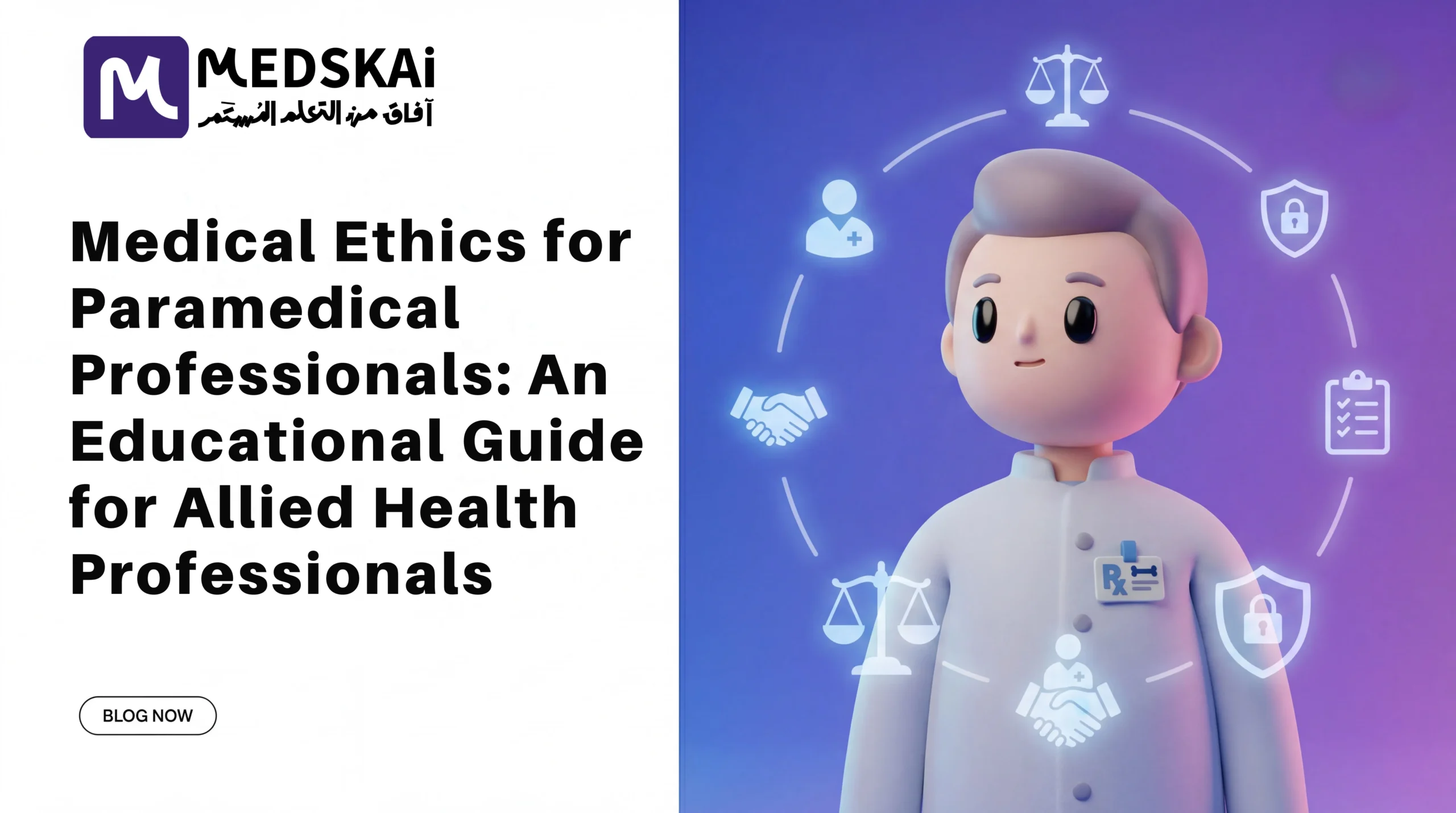
Medical Ethics for Paramedical Professionals: An Educational Guide for Allied Health professionals
Medical ethics is not limited to physicians and nurses. In modern healthcare systems, paramedical and allied health professionals play a critical role in diagnosis, treatment, and patient safety.
From handling diagnostic images to managing laboratory samples and life-support equipment, these professionals frequently face ethical dilemmas that directly affect patient outcomes.
For students and practitioners in radiology, laboratory sciences, respiratory care, nutrition, optics, and dental technology, understanding medical ethics is no longer optional it is a core professional competency.
This educational guide aims to provide a structured, practice-oriented overview of ethical principles, supported by real-world case studies relevant to paramedical education.
Core Ethical Principles in Paramedical Practice
Most ethical decision-making frameworks in healthcare are based on Principles, which includes four universally accepted principles:
Autonomy
Respecting the patient’s right to make informed decisions about their care. Paramedical professionals often play a key role in explaining procedures, risks, and alternatives in understandable language.
Beneficence
Acting in the patient’s best interest by maximizing benefits and promoting well-being.
Non-Maleficence
The obligation to avoid causing harm, whether physical, psychological, or emotional.
Justice
- Ensuring fairness in treatment, access to care, and allocation of limited healthcare resources.
- While these principles are universal, their application differs significantly across paramedical specialties, making targeted ethics education essential.
Ethics in Radiology and Medical Imaging
Radiology professionals are entrusted with highly sensitive diagnostic information and are often the primary point of patient interaction during imaging procedures.
Key Ethical Challenges
- Obtaining informed consent for imaging procedures
- Ensuring radiation safety and dose optimization
- Maintaining confidentiality of medical images
- Adhering to the ALARA principle (As Low As Reasonably Achievable)
- Unnecessary repeat scans, improper patient positioning, or poor communication can expose patients to avoidable radiation risks.
Educational Case Study
- A radiology technologist encountered a patient who refused a CT scan due to radiation concerns.
- Instead of dismissing the refusal, the technologist explained the clinical benefits and potential risks, respected the patient’s autonomy, and documented the decision.
Learning Outcome
- Ethical radiology practice requires patient education, respect for autonomy, and accurate documentation, not just technical expertise.
Ethical Responsibilities in Clinical Laboratory Sciences
Laboratory professionals generate diagnostic data that directly influences medical decisions. Ethical lapses at this stage can result in misdiagnosis and patient harm.
Common Ethical Issues
- Accuracy and integrity of test results
- Timely and transparent reporting
- Confidentiality of patient data
- Avoiding conflicts of interest in test ordering
Educational Case Study
- A laboratory technologist identified a mislabeled blood sample that could have resulted in a wrong diagnosis. The technologist reported the error immediately and corrected the issue before results were released.
Learning Outcome
- Accountability and transparency are fundamental ethical duties in laboratory practice.
Ethics in Respiratory Care and Critical Settings
Respiratory therapists often work in high-stress environments, particularly in intensive care units.
Ethical Dilemmas Include
- End-of-life care decisions
- Respecting Do-Not-Resuscitate (DNR) orders
- Resource allocation during shortages (e.g., pandemics)
Educational Case Study
- During a ventilator shortage, a respiratory therapist participated in a decision-making process guided by clinical criteria and fairness rather than personal bias.
Learning Outcome
- Ethical respiratory care requires balancing beneficence with justice, especially during crises.
Ethics in Nutrition and Dietetics
Nutrition professionals influence patient health through dietary counseling and therapeutic planning.
Ethical Considerations
- Evidence-based recommendations
- Avoiding commercial bias
- Respecting cultural and personal preferences
- Honest communication about supplements and diets
Educational Case Study
- A dietitian refused to promote a commercial supplement lacking scientific evidence, prioritizing patient safety over financial incentives.
🔍 Learning Outcome:
- Professional integrity is central to ethical nutrition practice.
Ethical Practice in Optics and Vision Care
- Optometry professionals must balance clinical judgment with commercial pressures.
Ethical Challenges
- Accurate diagnosis and prescriptions
- Avoiding unnecessary procedures
- Transparency in pricing and recommendations
Educational Case Study
- An optometrist declined to upselling expensive lenses when standard lenses adequately met the patient’s needs.
🔍 Learning Outcome:
- Patient-centered care should always outweigh commercial interests.
Ethics in Dental Technology
- Dental technologists contribute directly to patient safety through the quality of dental prosthetics and materials.
Ethical Responsibilities
- Ensuring material safety and quality
- Maintaining patient confidentiality
- Avoiding cost-cutting measures that compromise care
Educational Case Study
- A dental technologist refused to use uncertified materials despite pressure to reduce costs.
🔍 Learning Outcome:
- Ethical dental technology practice protects both patients and professional credibility.
Recommendations for Ethical Education in Paramedical Fields
To strengthen ethical practice, educational institutions and healthcare organizations should:
- Integrate ethics training into paramedical curricula
- Promote clear codes of professional conduct
- Encourage ethical discussions and case-based learning
- Support ethics committees and reporting mechanisms
Conclusion: Ethics as a Core Competency in Paramedical Education
- Medical ethics is a foundational element of safe, effective, and respectful healthcare delivery. For paramedical professionals, ethical awareness is just as critical as technical skill.
- Upholding ethical principles ensures patient trust, professional integrity, and improved healthcare outcomes.
- Advance your professional ethics knowledge with structured, expert-led medical education.
Explore comprehensive learning pathways in radiology and allied health sciences on
Frequently Asked Questions ❓
1. What is medical ethics in paramedical professions?
- Medical ethics in paramedical professions refers to the principles and professional values that guide the behavior of radiology technologists, laboratory scientists, respiratory therapists, nutritionists, optometry professionals, and dental technologists to ensure patient safety, respect, and fairness in healthcare delivery.
2. Why is medical ethics important for radiology and laboratory students?
- Because radiology and laboratory students handle sensitive patient data and play a key role in diagnostic decision-making, medical ethics helps them avoid professional errors, respect patient rights, and maintain trust in healthcare systems.
3. What is the core ethical principles in healthcare?
- The core ethical principles include autonomy, beneficence, non-maleficence, and justice. These principles form the foundation of ethical decision-making in all healthcare professions.
4. How does the ALARA principle relate to medical ethics in radiology?
- The ALARA principle reflects ethical responsibility by minimizing radiation exposure to protect patients from unnecessary harm while maintaining diagnostic quality.
5. How do medical ethics reduce errors in clinical laboratories?
- Medical ethics promotes accuracy, accountability, transparency, and timely reporting, which significantly reduces diagnostic errors and enhances patient safety.
6. Is medical ethics relevant in online medical education?
- Yes, ethical standards are essential in online medical education to ensure data privacy, scientific accuracy, and respect for learners’ rights—core values supported by MedSkai.
7. How can paramedical professionals improve their ethical skills?
- Through continuous education, case-based learning, adherence to professional codes of ethics, and participation in accredited training programs.
8. What role does MedSkai play in teaching medical ethics?
- MedSkai provides structured, expert-led educational content that integrates ethical principles with practical clinical scenarios to support professional development in paramedical fields.
References
1. Ebbs, P., Carver, H., & Moritz, D. (2020). Principlism in paramedicine: An examination of applied healthcare ethics.
2. ARRT. (2025). Ethics Requirements for medical imaging and radiation therapy professionals.
3. Taylor, H., & Brogan, J. (2020). Exploring informed consent in paramedic practice.
4. ARRT. Radiation Safety and ALARA Principles.
5. ASCLS. (2025). Code of Ethics for Clinical Laboratory Science.
6. NAEMT. (2013). EMS Code of Ethics.
7. Academy of Nutrition and Dietetics. (2025). Code of Ethics.
8. American Optometric Association. (2025). Ethics and Professional Conduct.
9. Dental Technologists Association. (2025). Professional Standards.
Categories
Archives
Tags
ABG
AI
Artificial intelligence
CT
Diagnosis
Egypt
Ethics
GCC 2026
Genomic
Medical
Modality-specific knowledge is essentialModality-specific knowledge is essential
Molecular
MRI
PACS
Patient safety and ALARA compliance are top priorities
PET
Radiology
Radiology interviews focus on clinical judgment
Radiotherapy
RIS
Scenario-based thinking is critical
Structured answers (STAR method) improve performance
US
X-ray
You May Also Like
A Practical Framework for Safety, Judgment, and Accountability Artificial intelligence is no longer a supporting feature in radiology. It is...
-
-
March 27, 2026
Infection Control in Radiology in the Age of Artificial Intelligence Radiology training often emphasizes image quality, positioning, and technical precision....
-
-
March 27, 2026
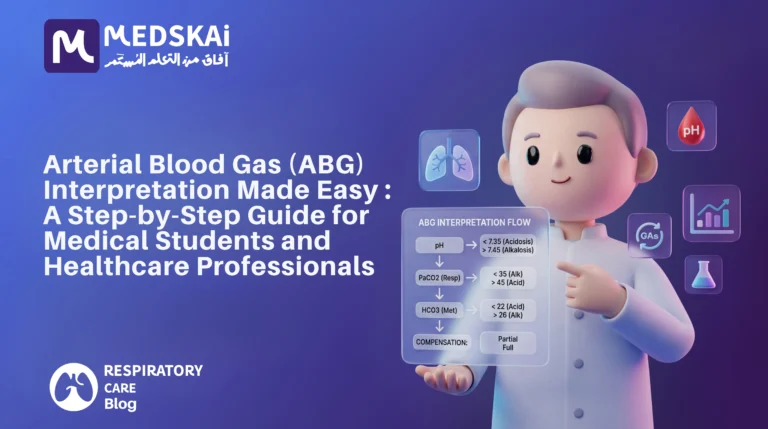
Learn arterial blood gas (ABG) interpretation step by step with normal values, clinical examples, and common mistakes explained for medical...
-
-
March 27, 2026

Company
Help Center
- Terms of Service
Help Center
- Terms of Service
Company
Help Center
- Terms of Service
- Privacy Policy
- Accessibility
- Refund Policy
- Report Issue
mobile app


download now
@ 2025 MedSkAi All rights reserved — Powered by csdiff